Lost in Translation: David and the Ammonites
It all started off well. David was trying to figure out his life off the battlefield. He had just finished asking God, "To whom can I show kindness?" God led him to Mephibosheth, the son of his best friend and the grandson of the man who had tried to kill him for years. Yes, relationships can be messy.
Mephibosheth had suffered a serious spinal or limb injury while fleeing as a young child for his life — and who was he fleeing from? David. Like I said, messy. By the time we meet him, Mephibosheth is barely getting by. He is dependent on others for all of his needs. He describes himself as "a dead dog," which reveals the deep pain he carried daily — not only in his physical health, but also in his identity as a person.
A Step of Faith From Lo-Debar
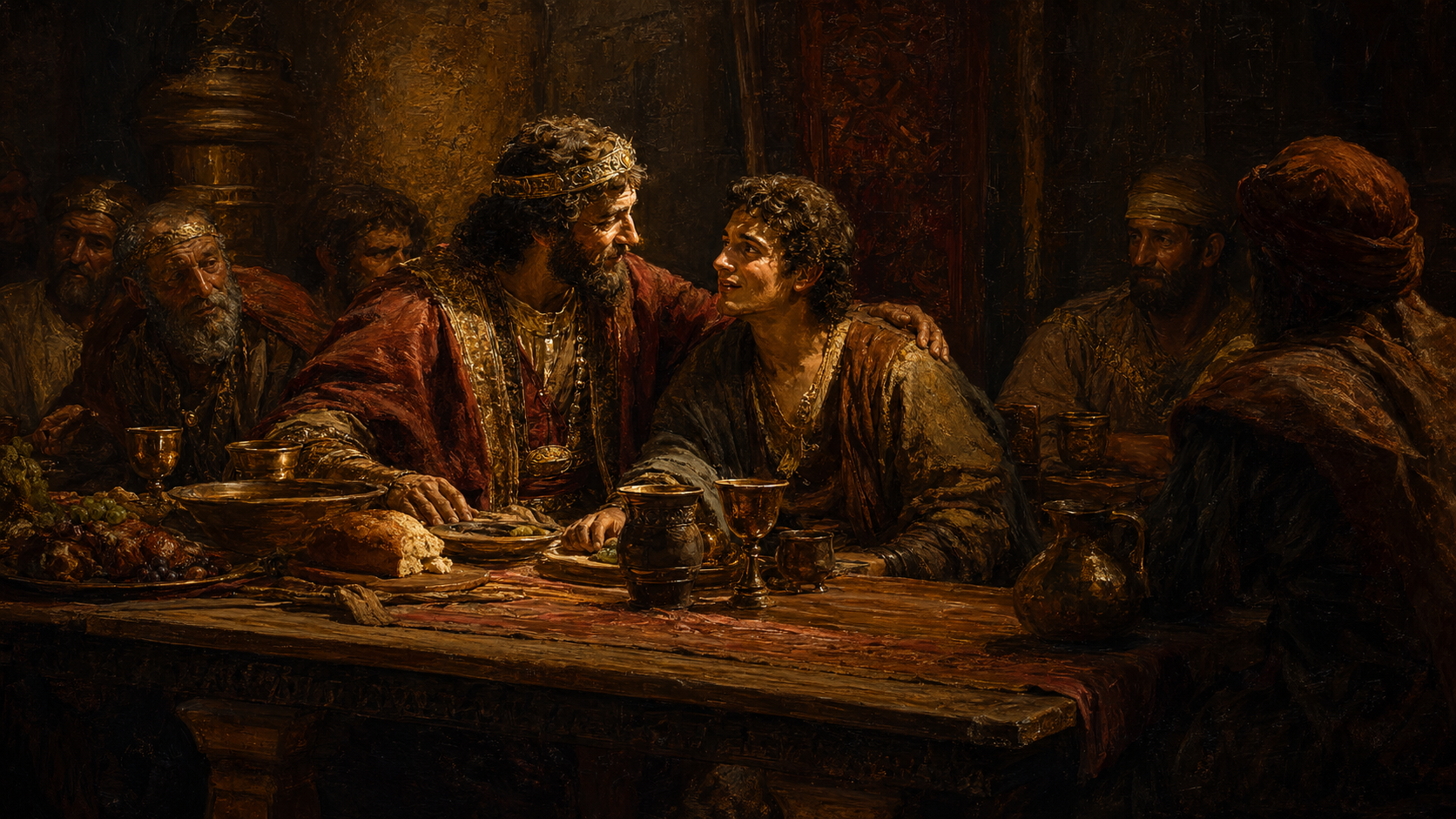
Mephibosheth was living in Lo-debar, a place described as barren and cut off from communication. When word came from David's men, he had every reason to be skeptical — after all, he was still technically an heir of the first king of Israel, which could easily be seen as a threat. But he went anyway, not knowing what would come next. This is what I often call a step of faith. There was no way of knowing for sure what David would do, and no way to prove 100% that David was trustworthy. But Mephibosheth decided it was worth the risk.
He showed up, and David met him with this: "Don't be afraid, for I will surely show you kindness for the sake of your father Jonathan. I will restore to you all the land that belonged to your grandfather Saul, and you will always eat at my table." This is a foreshadowing of the hope each of us carries — the heavenly banquet table spoken of in Luke 14 and Isaiah 25:6–8: "The Lord Almighty will prepare a feast of rich food for all peoples, a banquet of aged wine — he will swallow up death forever. The Sovereign Lord will wipe away the tears from all faces; he will remove his people's disgrace from all the earth." Yes, you will one day experience this yourself.
This story is covered beautifully through Leeland's song, Carried To The Table. Warning — if you are anything like me, you will shed some tears. It's an amazing picture of God's grace. We are broken and forsaken, but carried — in Mephibosheth's case, literally — in grace to the table of the Lord.
Mephibosheth received David's invitation as kindness and received a blessing…
…Hanun did not.
The Same Kindness, a Completely Different Response
David begins his interaction with the Ammonites with almost exactly the same intentions. David had been friends with Nahash, just as he had been with Jonathan, and his intention was to show kindness to Nahash's son — just as he had shown kindness to Jonathan's son. He thought, "I will show kindness to Hanun son of Nahash, just as his father showed kindness to me." Things had gone well with Mephibosheth, and David was probably thinking, "That felt good — I'll do that again." So David sent a delegation to Hanun to express his sympathy about his father's death.
This does not end well. Before all is said and done, at least 50,000 people are dead.
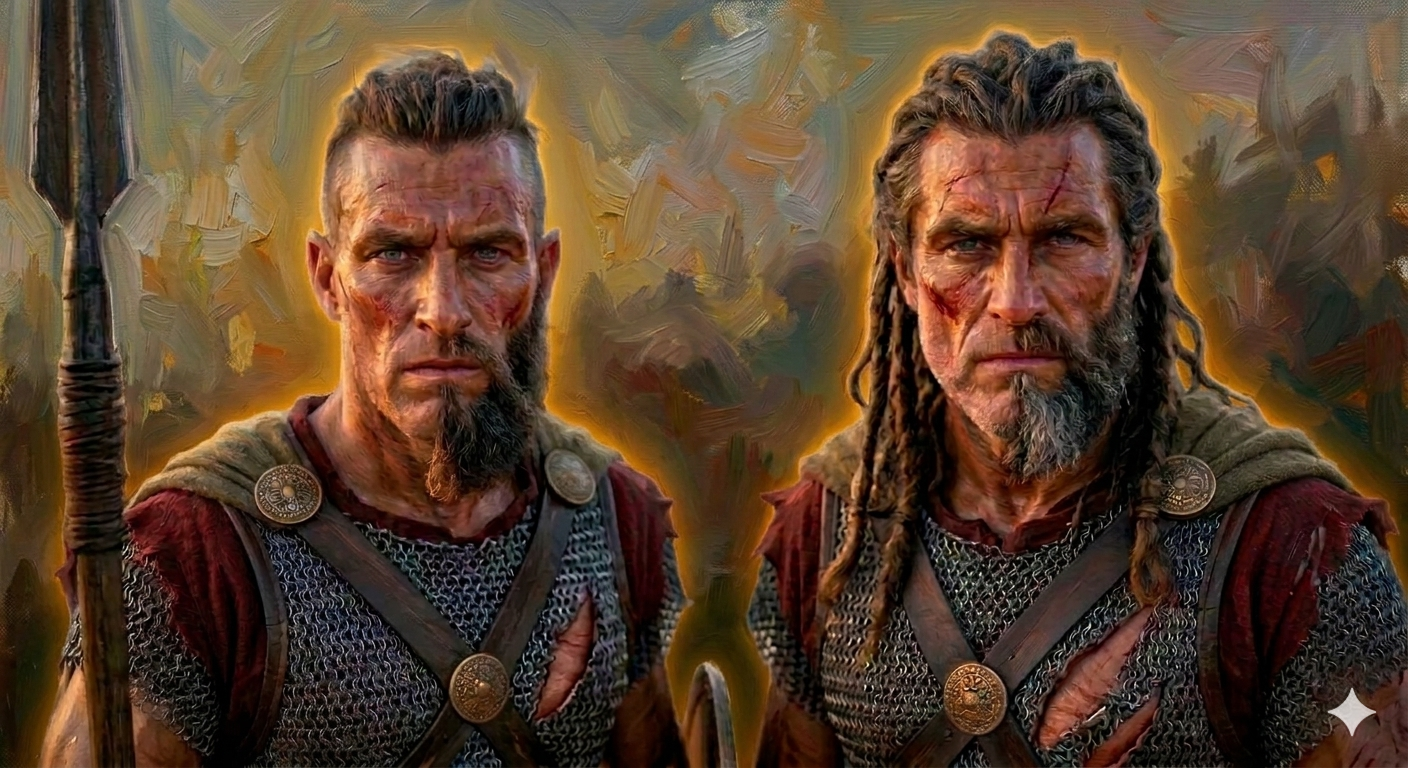
Hanun, like Mephibosheth, was skeptical of David's intentions. But he was coming from a position of pride and power rather than humility and surrender. Hanun interpreted David's kindness as aggression. He believed David had sent the delegation "to explore the city and spy it out and overthrow it."
Do you see what happened? What left David as kindness was transformed through the filter of Hanun's mind — a cognitive distortion — and was received as aggression.
Hanun was certain of David's intentions. Have you ever found yourself in that place — certain of another person's intentions? I witness this regularly in relationships where one person's intentions are radically different from the impact felt by the other person. This is a big topic explored more fully in my article Communication of the Heart.
It's easy to minimize our inner world. We could ask, "What's the big deal if Hanun believed one thing or another?" But we can see through this example that core beliefs and filters move nations. Hanun acted on the lies he believed out of his insecurities: "Hanun seized David's envoys, shaved off half of each man's beard, cut off their garments at the buttocks, and sent them away."
Wow. Don't say the Bible is not interesting. Unexpected and very, very real.
When Kindness Feels Like Danger
So a war ensued, and at least 50,000 people ended up dead. By defending against an imagined threat, they created a real one. This is a principle that carries through to modern relationships. If we live by a core conviction that "I can never let my guard down," our defensive posture will change the relationship and invite others into an attack-and-defend dynamic.
If we keep others at arm's length because trust feels too dangerous, we will never experience the closeness of true intimacy. Our core convictions are powerful forces in our lives.
Ready to Go Deeper?
How many times have we turned down the love God has for us through others because of skepticism, judgment, and lies we've believed? Are you open to receiving love from unexpected places, or are your walls so high that you can no longer receive? Have you moved past past hurts, or are all your bridges burned?
Have you found yourself caught in a conflict spiral — each defensive move confirming the other person's fear, and each fearful response triggering another defense? If these questions are stirring something in you, you don't have to work through them alone. As a Christian counselor and pastor, I walk alongside people who are ready to examine what is actually at the center of their patterns — and do the slow, real work of change and healing.
Schedule a free 15-minute consultation to explore whether counseling might be a good fit for you.
You can also reach us at growthcounseling.org/contact, by phone at (484) 854-3626, or by email at info@growthcounseling.org.